
Sock Fabrics: Cotton vs Tactel vs Wool
When it comes to performance socks, the sock fabrics you choose are far more important than most people realise. The right material means the difference between a comfortable, blister-free run...
Free delivery on orders over £35!

Overpronation is when your foot rolls too far inward as you walk or run. A small amount of pronation is normal, however, excessive inward roll places extra strain on the arches, ankles, knees and even hips. Over time this contributes to issues such as plantar fasciitis, shin splints, Achilles pain and knee injuries.
The best way to determin if you overerpronate is to visit a physio or podiatrist and perform force plate tests, and/or run on a treadmill. However, the wet foot test is a simple way to get a good idea of your foot type at home.
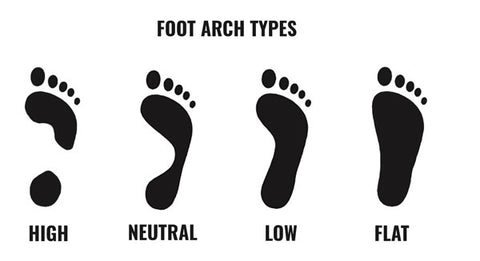
Simply wet the bottom of your feet and stand on a blank piece of paper. Then, look at the shape of your footprint. If you have a wide, flat foot print then there is a good chance you overpronate.
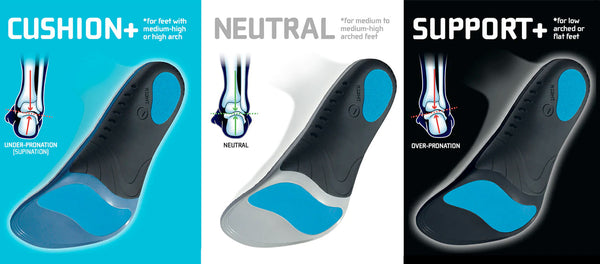
If this sounds familiar, supportive insoles help control excess motion and improve ankle joint and foot alignment.
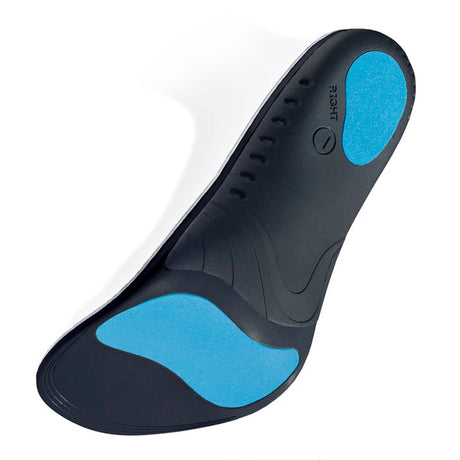
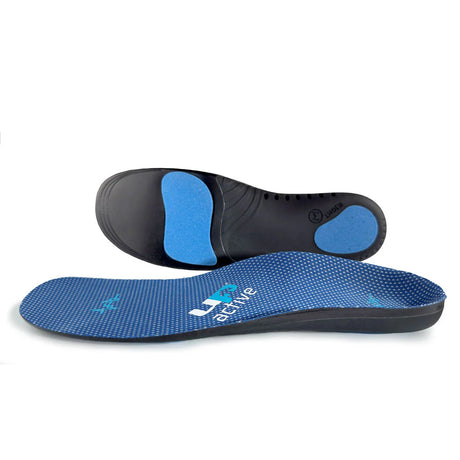
The Ultimate Performance Advanced F3D Support+ insole is the perfect sports insole for overpronation. It has 3mm of Anti-shock foam damping material in the sole with a firm arch support. We recommend this for performance athletes, runners and walkers.
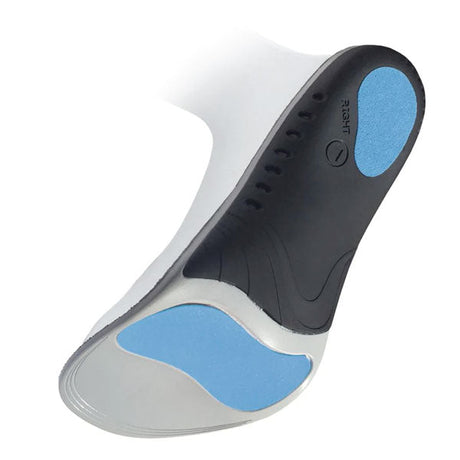
The Ultimate Performance Active Support Insole delivers everyday comfort and protection. It fits easily into your footwear for all-day use. It offers slightly less support than the Advanced Support+ version. As a result, the Active model is ideal for daily wear in everyday shoes.
Many common overuse injuries are related to your foot biomechanics including:
When it comes to performance socks, the sock fabrics you choose are far more important than most people realise. The right material means the difference between a comfortable, blister-free run...
1000 Mile walking and running socks are built to go further, last longer, and keep your feet healthy. The secret lies in the advanced fibres we use across the range....
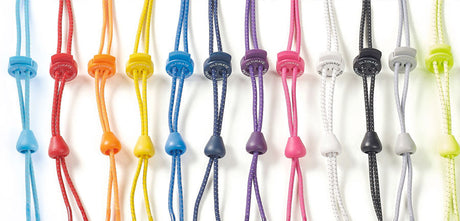
Knowing how to use elastic laces properly improves comfort and convenience when running or participating in sports. Elastic laces stretch and flex with your foot, providing a secure yet comfortable...
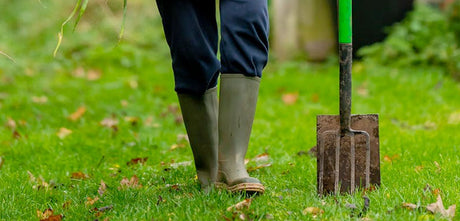
Wellington boots are a staple for outdoor activities, whether for farming, dog walking, or working in wet and muddy conditions. However, despite their practicality, they often lack the necessary support...
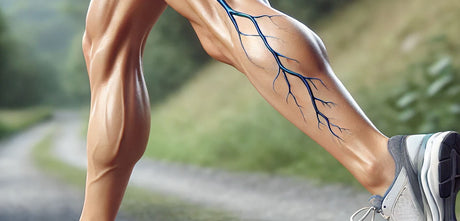
Running with varicos veins is a common concern for many, especially those who also spend a lot of time on their feet. While running itself doesn’t cause varicose veins, it...

Most runners have dealt with injuries, but being hit by a car can cause the most severe damage. Fractures and head injuries may not only stop your training temporarily, but...